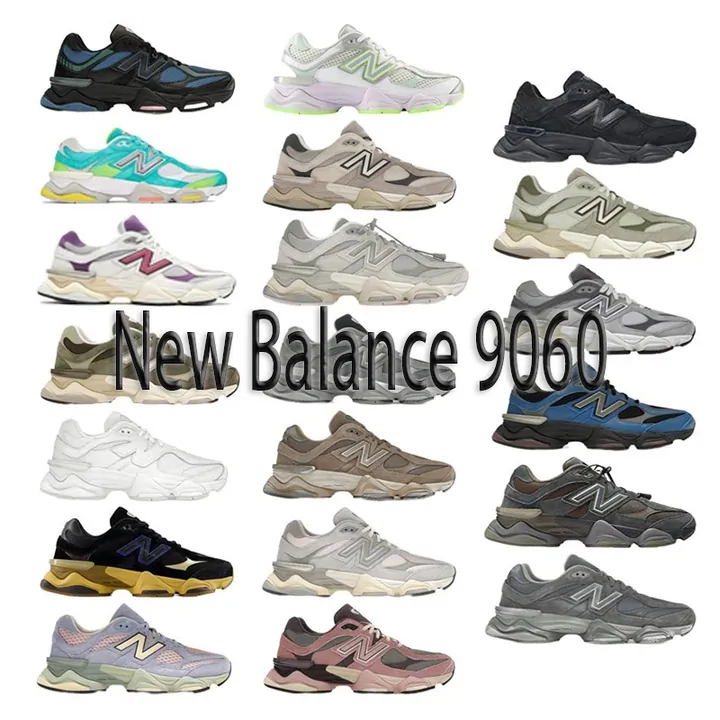
Picking items on HubbuyCN: four judgements that decide it
Almost every unhappy first order comes down to one of four things, and they are all decided before you pay. Does it fit. Can anyone verify it before it leaves China. What will it weigh in a box. Will the route you want actually take it.
None of these is exotic. They are just easy to skip when you are excited about a photograph.
First, sizing: compare measurements
Marketplace sizing runs smaller than European or American labelling, and the gap grows on fitted cuts. Take a garment you own, lay it flat, measure chest and length in centimetres, and compare those two numbers against the chart in the listing. If a listing has no chart, that is information about the seller.
For shoes, measure your foot from heel to longest toe and match the insole length. Two sellers can print different sizes on the same last, so the centimetre figure is the only one that carries across.
Then the photos: what the free check can and cannot answer
After your item reaches the warehouse HubbuyCN photographs it at no charge. The published scope is appearance: model, style and size. For electronics and digital goods the rules state the check does not cover function, authenticity or quality, and items in sealed packaging are not opened.
Read that as a division of labour. Photographs handle anything with a visible surface. For anything that has to switch on, your protection is the seller reputation and the return policy, not the check.
Source: official inspection rules page, checked 30 July 2026.
Then weight: what actually moves the freight number
Freight is quoted from the real box, and bulky light things are charged on volume rather than on the scale. You do not need precision here, only a rough sense of which band you are in before you commit to four items.
| If you are buying | Expect roughly | The trap |
|---|---|---|
| Socks, jewellery, a cap | Under half a kilo | Shipping can cost more than the item, so never send one alone |
| A few tees or shorts | Half to one and a half kilos | The cheapest band to fill, use it for the rest of your box |
| Hoodie, jeans, one pair of sneakers | One and a half to three kilos | Shoe boxes add volume you are paying for |
| Winter coat or boots | Three to six kilos | Padded coats are charged on volume, not weight |
| Several pairs, or a hard-shell bag | Above six kilos | Some routes have size limits a long box will breach |
Four checks
Last, restrictions: decide this before you fall in love with it
Category decides which couriers will accept the parcel. Ordinary clothing, bags and shoes go by every route. Anything with a battery inside, anything magnetic, anything liquid or powdered narrows the list, sometimes to nothing for the route you wanted.
The official shipping policy and the freight calculator are where this gets settled for your destination. Check before you order, not after the item is sitting in the warehouse.
A quick sanity check on the seller
Two listings can carry the same stolen photograph. What separates them is the seller: how long the shop has been trading, what the recent reviews say, whether the listing carries the guarantee badges that HubbuyCN own search lets you filter on, such as seven day returns or twenty four hour dispatch.
Filtering on those badges before you shortlist costs nothing and removes most of the bad outcomes.

Buy it through an agent, or do not bother
The honest version, category by category.
Good candidates
- Clothing and footwear where a chart exists and photographs help
- Bags and accessories, where finish is visible and matters
- Several items from different sellers, going into one box
- Things you cannot get at home at any price
Poor candidates
- Anything you need working out of the box and cannot test
- One small cheap item shipped on its own
- Fragile items you will not pay to have padded properly
- Anything on the restricted list for your only viable route
After it lands
What quality control is, and what it is not
Quality control here means one thing: somebody at the warehouse puts your item in front of a camera and uploads the pictures to your order. That is the whole of it. No one wears it, measures it unless you ask, plugs it in, or compares it against an original.
So the useful way to think about the QC stage is as a last look rather than a verdict. It catches the things a photograph catches: the wrong colourway arrived, a seam is open, the print is crooked, the box is crushed, there are three in the bag instead of two. It does not catch fabric weight, smell, whether a zip will survive a winter, or whether the electronics inside do anything at all.
The stage matters most for the decision it forces. Once those pictures are up, shipping is the default and the clock on sending anything back is already running. Open them the day they appear.
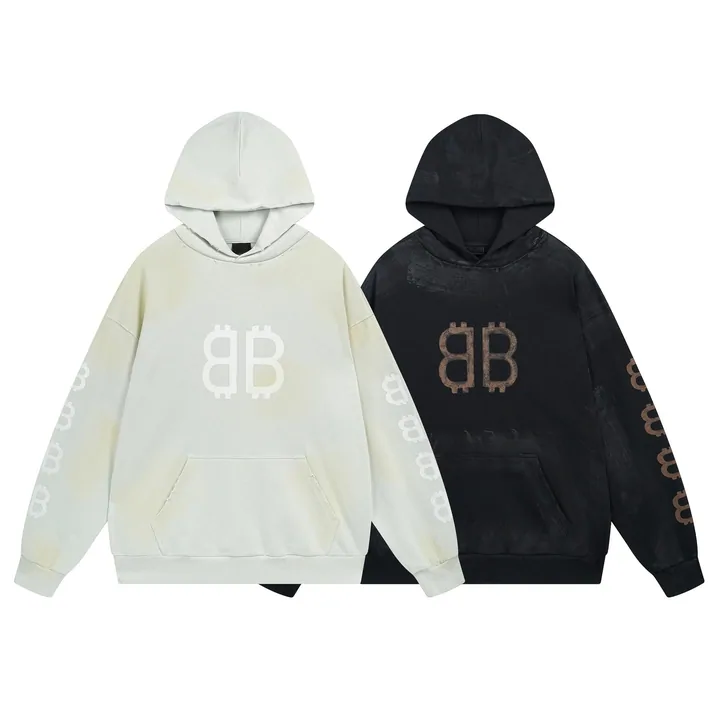
How to check the QC photographs when they arrive
Work outside in, because that is the order in which problems are recoverable.
Silhouette first. Hold the photograph next to the listing picture and ask whether it is the same shape. A wrong shape is the one failure that no later step improves. Then hardware and stitching, which is where cheap production is visible and where the free pictures genuinely are enough. Then the label and any printed text, read character by character rather than glanced at. Then count: quantity, pairs, accessories, the little bag that was supposed to come with it.
Then stop and name what is left. Everything still unresolved at that point is unresolvable by photograph, and the choice is to pay for a measurement, ask a specific question, or accept it. Deciding which of the three is the actual skill here.